

2026 U.S. Immigration Money Transfer Regulations: New Remittance Tax and Compliance Requirements
Starting January 1, 2026, the U.S. implemented a 1% excise tax on cash-funded remittance transfers under the One Big Beautiful Bill Act. This affects millions sending money abroad, with specific rules for cash payments while exempting bank transfers. Learn the procedures, limits, and compliance requirements for international money transfers in 2026.
2026 U.S. Immigration Money Transfer Regulations: New Remittance Tax and Compliance Requirements
Key Takeaways
- A 1% excise tax applies to cash-funded remittance transfers to foreign recipients starting January 1, 2026
- Bank account transfers, credit/debit card payments, and cryptocurrencies are exempt from the tax
- The tax is projected to generate $10 billion in revenue over 10 years
- Penalty relief is available for providers through the third quarter of 2026
- USCIS immigration fees have increased for 2026 with stricter payment requirements

Understanding the New Remittance Transfer Tax
Beginning Jan. 1, 2026, a 1% remittance transfer tax applies to remittances sent from the United States to recipients in foreign countries when the sender provides cash, a money order, a cashier's check, or other similar physical instrument to the remittance transfer provider. The sender is liable for the tax, and remittance transfer providers are required to collect the remittance transfer tax from certain senders, make semimonthly deposits, and file quarterly returns with the IRS.
NOTE. The 1% Tax Rule: A 1% excise tax is applied to the amount transferred FROM the US TO foreign accounts. If you send $500 using cash, an extra $5 tax applies.
What Qualifies for the Tax
It covers remittance transfers funded by cash, money orders, cashier's checks, traveler's checks, or similar physical instruments issued by foreign governments. The tax is calculated at exactly 1% of the total transfer amount, with no minimum threshold or caps.
The tax on remittance transfers equals 1% of the total amount the sender provides. That amount includes promotional bonuses tied to the transfer. It does not include service fees or state taxes.

Exempt Transfer Methods
Understanding which transfer methods avoid the 1% tax is crucial for cost-effective money transfers. Direct bank-to-bank transfer – no. Avoid the 1% remittance tax entirely by switching from cash funding to bank account transfers or US debit/credit card payments.
Recommended Transfer Methods
- Bank Account Transfers: For regular remittances, open a US bank account if you don't have one, and use ACH transfers or money transfer apps that accept account funding like Wise, Remitly, or Xoom.
- Credit/Debit Cards: U.S.-issued cards are exempt from the tax
- Digital Assets: Cryptocurrency, Bitcoin, Ethereum, and stablecoins are not classified as "physical instruments" under IRC 4475(c) and are therefore exempt.
Wise – Accepts bank account and debit card funding, offers competitive FX rates, and includes a multi-currency account option. Completely exempt from the 1% tax, with fees typically running 0.4–1% of the transfer amount.
Tax Collection and Reporting Requirements

Senders owe the tax, but remittance transfer providers collect it at the point of sale. Providers must report it quarterly on Form 720 and make semi-monthly deposits even though the return is filed every quarter.
Remittance transfer providers report the new remittance transfer tax on Form 720, Quarterly Federal Excise Tax Return PDF, with the first semimonthly deposits due Jan. 29, 2026. In October 2025, the IRS issued Notice 2025-55 PDF providing limited penalty relief for remittance transfer providers who fail to deposit the correct amount of the remittance transfer tax as required during the first three quarters of 2026.
Revenue Projections and Market Impact
The Joint Tax Committee estimates the tax will generate approximately $10 billion in federal revenue over 10 years – representing a small fraction of total U.S. outbound remittance flows, which exceed $100 billion annually. The Joint Committee on Taxation projects the tax will raise $10 billion over 10 years from annual flows of about $100B+.
Applying these shares to the average 2019-2024 annual remittance transfer volume of $520 billion results in annual cash remittance transfers totaling about $156 billion to $187 billion.
2026 USCIS Fee Updates and Processing Changes
Beyond the remittance tax, U.S. immigration applicants face additional changes in 2026. USCIS will require the filing fees for FY 2026 established in this notice for any immigration benefit requests postmarked on or after January 1, 2026. Any immigration benefit request postmarked on or after January 1, 2026 without the proper filing fee will be rejected.
Premium Processing Fee Increases
This rule is effective on March 1, 2026. If you submit a request for premium processing postmarked on or after March 1, 2026, you must include the new fee for the specific benefit you are requesting.
Key premium processing fee changes effective March 1, 2026:
- Form I-140 employment-based immigrant petitions will increase from $2,805 to $2,965.
- Form I-539 applications to extend or change nonimmigrant status for F, J, and M categories will increase from $1,965 to $2,075.
- Form I-765 applications for employment authorization in OPT and STEM OPT categories will increase from $1,685 to $1,780.
Processing Time Challenges
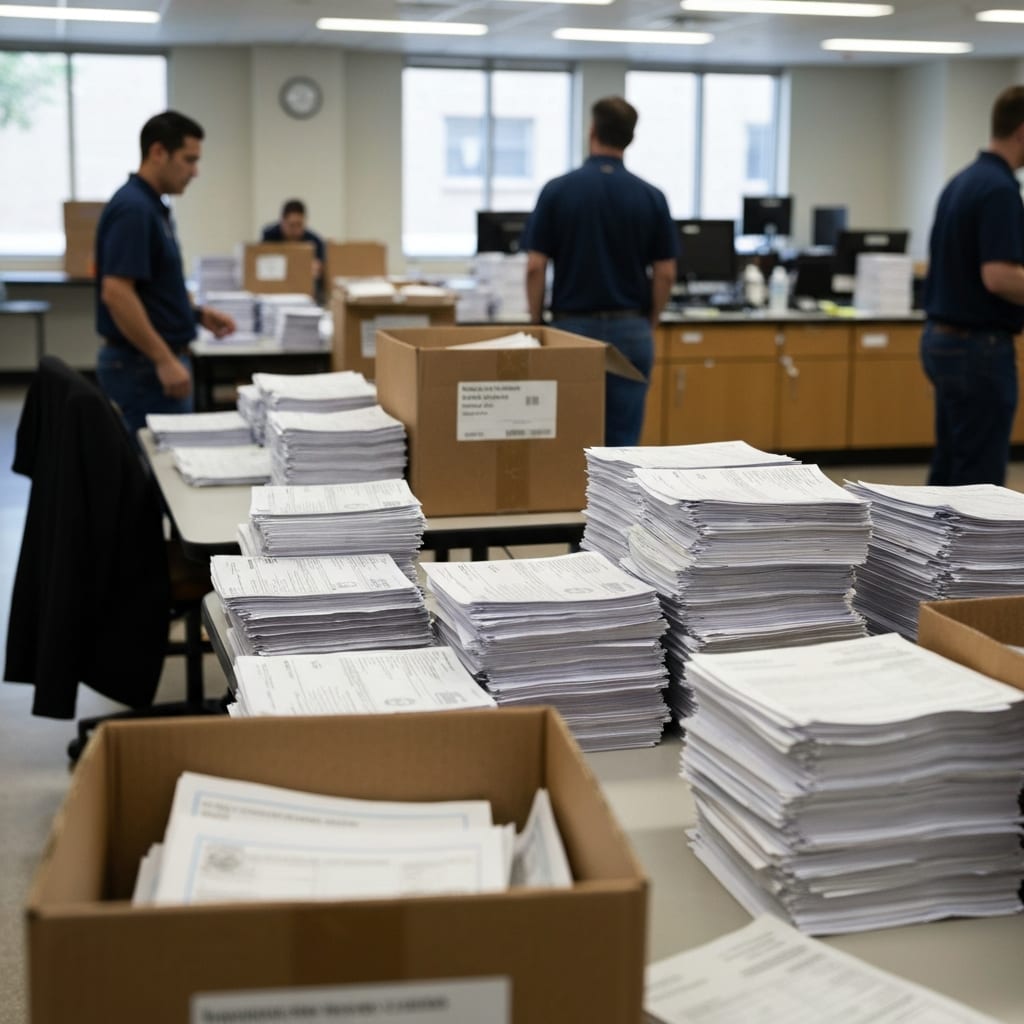
Although USCIS currently lists an average processing time of approximately 4.5 months for change-of-status petitions, actual adjudications are taking 8 months or longer. Although USCIS currently lists an average processing time of approximately 4.5 months for change-of-status petitions, actual adjudications are taking 8 months or longer. By contrast, petitions filed under Premium Processing must be adjudicated by USCIS within 15 business days.
As of early 2026, USCIS is managing a record backlog of over 11 million pending cases. The current administration has indefinitely paused naturalization interviews and oath ceremonies for nationals from 39 designated countries.
Compliance Best Practices
To navigate the new regulations successfully, immigrants and their families should follow these guidelines:
"Senders are advised to use regulated banking channels and keep detailed documentation of their funds' lawful origins to navigate these changes smoothly."
For Money Transfers:
- Switch to bank account or card-funded transfers to avoid the 1% tax
- Keep detailed records of all international transfers
- Use reputable providers like banks or regulated money transfer services
- Verify funding methods before initiating transfers
For USCIS Applications:
- Applicants should verify fees via USCIS's fee calculator and consider filing before the deadline to avoid higher costs.
- Use current forms and correct fees to avoid rejections
- Consider premium processing for time-sensitive cases
- Maintain compliance with all documentation requirements
Sources
Need Expert Immigration Guidance?
Kennedy Access Group specializes in EB-3 visa sponsorship and employment-based immigration services. Our experienced team helps you navigate complex immigration regulations, including the latest fee changes and compliance requirements.
Contact Kennedy Access Group today for personalized consultation on your U.S. immigration journey.
Related posts

PREMIUM PROCESSING FREQUENTLY LEADS TO NONSENSICAL REQUESTS FOR EVIDENCE (RFES)
USCIS premium processing is driving a surge in boilerplate RFEs for employment-based petitions. How employers and EB-3 applicants can build stronger cases.

What happened to the $100,000 H-1B visa fee and the legal rebuke that followed
A federal judge voided the $100,000 H-1B visa fee, ruling it violated the Administrative Procedure Act. What it means amid conflicting court decisions.

USCIS Policy Memorandum No. PM-602-0199
Adjustment of Status Is a Matter of Discretion and Administrative Grace Policy Date: May 21, 2026 / Post Date: May 22, 2026